SEO
SEO in 2026: What Actually Helps Your Website Get Found?
A practical look at the fundamentals that can improve your website's organic visibility.

Learning how to brew coffee at home can be simple when you understand a few basic principles. The quality of your coffee depends on several factors, including fresh coffee beans, grind size, water quality, coffee-to-water ratio, temperature, and brewing time.
Whether you want to learn how to brew coffee at home, make a better morning cup, or prepare refreshing cold brew, the right technique can make a noticeable difference.
This guide explains how to make coffee, how to avoid common brewing mistakes, and how to prepare cold brew and iced coffee at home.
The easiest way to learn how to brew coffee at home is to start with a simple method such as a French press, drip coffee maker, or pour-over.
Follow these basic steps:
A useful starting point is a 1:15 to 1:17 coffee-to-water ratio. For example, 20 grams of coffee can be paired with approximately 300–340 grams of water. You can adjust this ratio depending on whether you prefer stronger or milder coffee.
If you want to know how to make coffee that tastes balanced and flavorful, start with the beans.
Freshly roasted whole coffee beans usually provide better aroma and flavor than stale coffee. Grinding the beans immediately before brewing can also help preserve their natural characteristics.
The grind size is equally important. A coarse grind is commonly suitable for French press, medium grind for drip coffee, and finer grinds for espresso-style brewing.
Water quality also matters because coffee is primarily made from water. Use fresh drinking water without strong odors or unusual flavors.
Finally, avoid brewing coffee for too long or too quickly. Proper extraction helps produce a smoother and more balanced cup.
Knowing how to make good coffee is about consistency rather than expensive equipment.
Here are some simple coffee brewing tips:
If your coffee does not taste right, change one variable at a time. For example, adjust the grind size before changing the coffee-to-water ratio. This makes it easier to understand what improves the flavor.
Why does my coffee taste weak? This is one of the most common questions asked by people learning to make coffee at home.
Weak or watery coffee can result from using too little coffee, too much water, a grind that is too coarse, insufficient brewing time, or stale beans.
To fix weak coffee, try slightly increasing the amount of coffee or making the grind a little finer. If you are using a brewing method that requires a specific extraction time, make sure you are not finishing the brewing process too early.
Avoid making several changes at once. Small adjustments help you find the right balance for your preferred taste.
If you prefer a smooth and refreshing drink, you may be wondering, “How do you make cold brew coffee?”
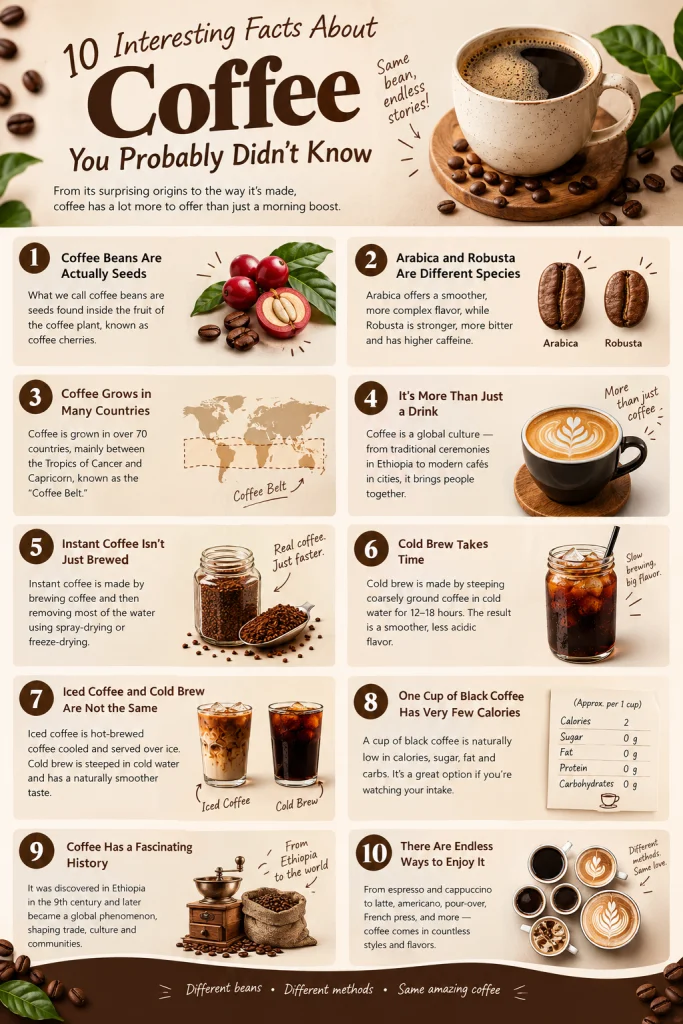
Cold brew is made by steeping coarsely ground coffee in cold or room-temperature water for an extended period instead of quickly extracting coffee with hot water.
The exact coffee-to-water ratio and steeping time can be adjusted according to your preferred strength.
Learning how to make cold brew at home does not require expensive equipment. A large jar, French press, or dedicated cold-brew maker can work well.
The most important factors are the coffee grind, water ratio, steeping time, and filtration.
Use a coarse grind because it makes filtering easier and is well suited to the long extraction process. After steeping, filter the coffee carefully to remove the grounds.
For a stronger cold-brew concentrate, use a higher coffee-to-water ratio and dilute the finished coffee with water or milk before drinking.
Store prepared cold brew in the refrigerator and use a clean, sealed container.
Wondering how to make the best iced coffee at home? Start with flavorful brewed coffee and plenty of ice.
One simple method is to brew coffee slightly stronger than usual, allow it to cool briefly, and pour it over ice. You can add milk, cream, or a sweetener according to your preference.
Another option is to brew coffee ahead of time and refrigerate it before serving.
Avoid using too little ice with very hot coffee because the ice can melt quickly and dilute the drink. If you want a naturally smooth and chilled coffee, cold brew is another excellent option.
Understanding the difference between these popular drinks can help you choose the right brewing method.
| Coffee Type | How It Is Made | Best For |
|---|---|---|
| Hot Coffee | Brewed using hot water | Traditional warm coffee |
| Cold Brew | Coffee steeped in cold water | Smooth, chilled drinks |
| Iced Coffee | Hot-brewed coffee served over ice | Quick refreshing coffee |
There is no single “best” method. Your choice depends on your taste, available equipment, and how much preparation time you have.
Even when you know how to brew coffee, small mistakes can affect the final flavor.
Avoid these common problems:
Using stale coffee: Old beans can lose much of their aroma and flavor.
Wrong grind size: Grind size should match the brewing method.
Incorrect ratio: Too much water can produce weak coffee, while too much coffee can make it overly strong.
Poor water quality: Strong-tasting water can negatively affect coffee.
Incorrect brewing time: Under-extraction can produce sour or weak coffee, while over-extraction can result in bitter flavors.
Dirty equipment: Coffee oils and residue can build up inside brewing equipment and affect taste.
For consistently good results, remember these simple rules:
These basic habits can help beginners make better coffee without investing in complicated equipment.
Combine coarsely ground coffee with cold or room-temperature water, steep it for approximately 12–18 hours, and strain it before serving over ice.
You can make good coffee using a French press, pour-over brewer, or basic drip coffee maker. Fresh beans, correct measurements, suitable grind size, and good water are more important than expensive equipment.
Use fresh beans, grind them correctly, measure your coffee and water, use suitable water, and control your brewing time and temperature.
Coffee can taste weak because of too much water, too little coffee, a grind that is too coarse, insufficient brewing time, or stale beans. Adjust one factor at a time.
Brew flavorful coffee, cool it, and pour it over plenty of ice. Add milk or sweetener according to your taste. Cold brew can also be used for a smoother iced drink.
The best way depends on your taste. French press, pour-over, drip, espresso, and cold brew all create different flavors and textures. Choose a method that matches your preferred coffee style.
Learning how to brew coffee at home does not have to be complicated. Fresh beans, the right grind size, quality water, accurate measurements, and proper brewing time are the foundation of better coffee.
Once you understand the basics, you can experiment with different brewing methods and discover how to make coffee that suits your taste. If you enjoy chilled drinks, learning how to make cold brew at home or how to make the best iced coffee can add even more variety to your daily coffee routine.